where to apply nitroglycerin patch What to know about nitroglycerin
Nitroglycerin is a medication that is commonly used to help manage angina, which is chest pain caused by the narrowing of blood vessels that supply the heart muscle with oxygen. There are various forms of nitroglycerin, but in this post, we will be focusing on the transdermal patch. The transdermal patch is a type of delivery system for nitroglycerin that is applied to the skin. It is designed to release the medication slowly over a prolonged period of time, which helps to maintain a consistent level of nitroglycerin in the body. This can help manage angina symptoms by keeping blood vessels open and improving blood flow to the heart. The patch works by releasing nitroglycerin through the skin and into the bloodstream. The medication then travels through the body, relaxing smooth muscle and dilating blood vessels. This helps to reduce the workload on the heart and improve blood flow, thereby easing angina symptoms. One of the benefits of the transdermal patch is that it can be worn for an extended period of time, typically 12-14 hours. This means that the medication can be administered less frequently than some other forms of nitroglycerin, such as sublingual tablets or sprays. Additionally, the patch can be useful for individuals who have difficulty swallowing or tolerate other forms of nitroglycerin poorly. It is important to note that the transdermal patch should be applied to a clean, dry area of skin on the chest or upper arm. The patch should not be applied to areas with cuts, abrasions, or irritation. It is also important to rotate the application site of the patch to help prevent skin irritation. As with any medication, there are potential side effects associated with nitroglycerin transdermal patches. These may include headache, dizziness, flushing, and low blood pressure. If you experience any of these symptoms, or if you have any concerns or questions about the medication, it is important to speak with your healthcare provider. In conclusion, nitroglycerin transdermal patches are a useful tool for managing angina symptoms. They work by delivering the medication slowly over an extended period of time, which can help to maintain a consistent level of nitroglycerin in the body. While there are potential side effects, the benefits of the transdermal patch may outweigh the risks for some individuals. If you are considering using nitroglycerin transdermal patches, be sure to discuss the medication with your healthcare provider to determine if it is an appropriate option for you.
If you are searching about Nitroglycerin Transdermal - FDA prescribing information, side effects you’ve came to the right web. We have 5 Pictures about Nitroglycerin Transdermal - FDA prescribing information, side effects like My 29 Lives: August 2016, Nitroglycerin (Transdermal patch) - wikidoc and also My 29 Lives: August 2016. Here you go:
Nitroglycerin Transdermal - FDA Prescribing Information, Side Effects
 www.drugs.comnitroglycerin transdermal
Nitroglycerin (Transdermal Patch) - Wikidoc
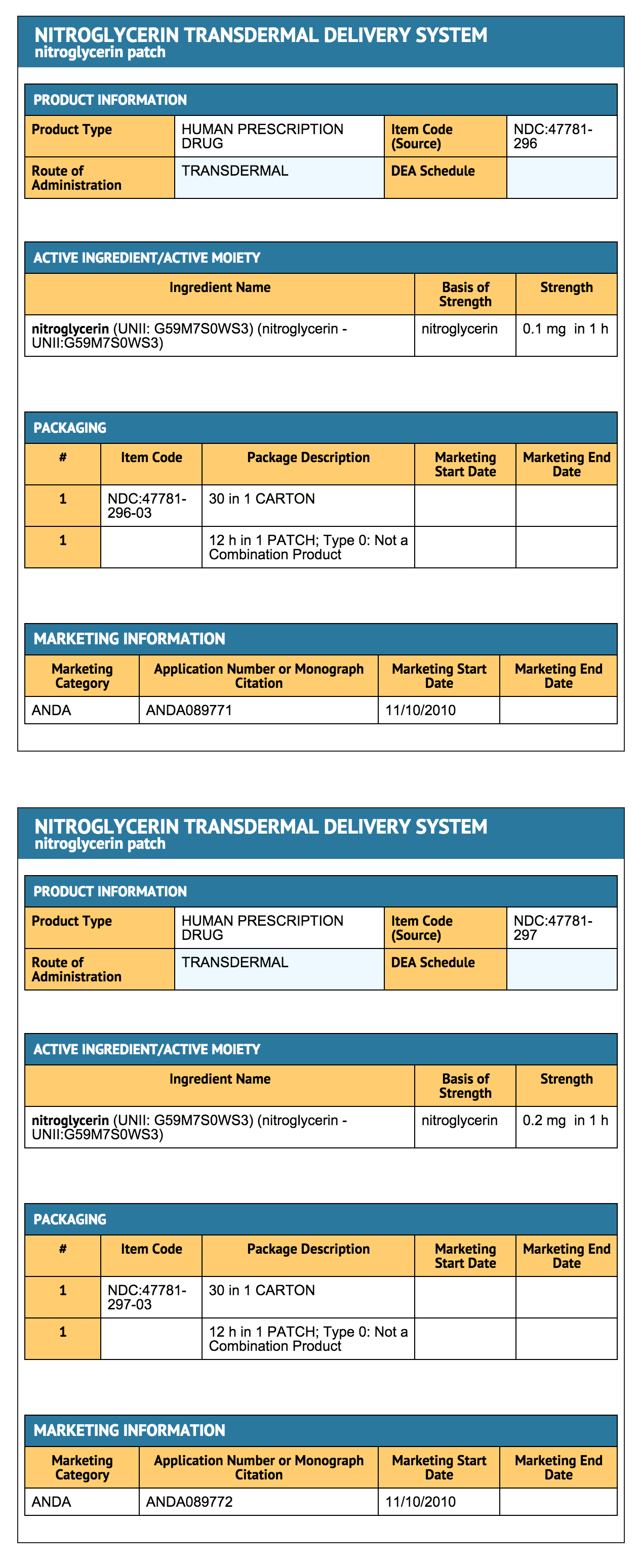 www.wikidoc.orgpatch transdermal wikidoc provided medicine library national
NITROGLYCERIN TRANSDERMAL PATCH PATCH .2MG/HR 30 | Real Value Rx
 www.realvalueproducts.comnitroglycerin transdermal trinitrate glyceryl 2mg ndc
What To Know About Nitroglycerin | Medication Junction
 www.medicationjunction.comnitroglycerin ointment apply know triamcinolone skin medication twice person
My 29 Lives: August 2016
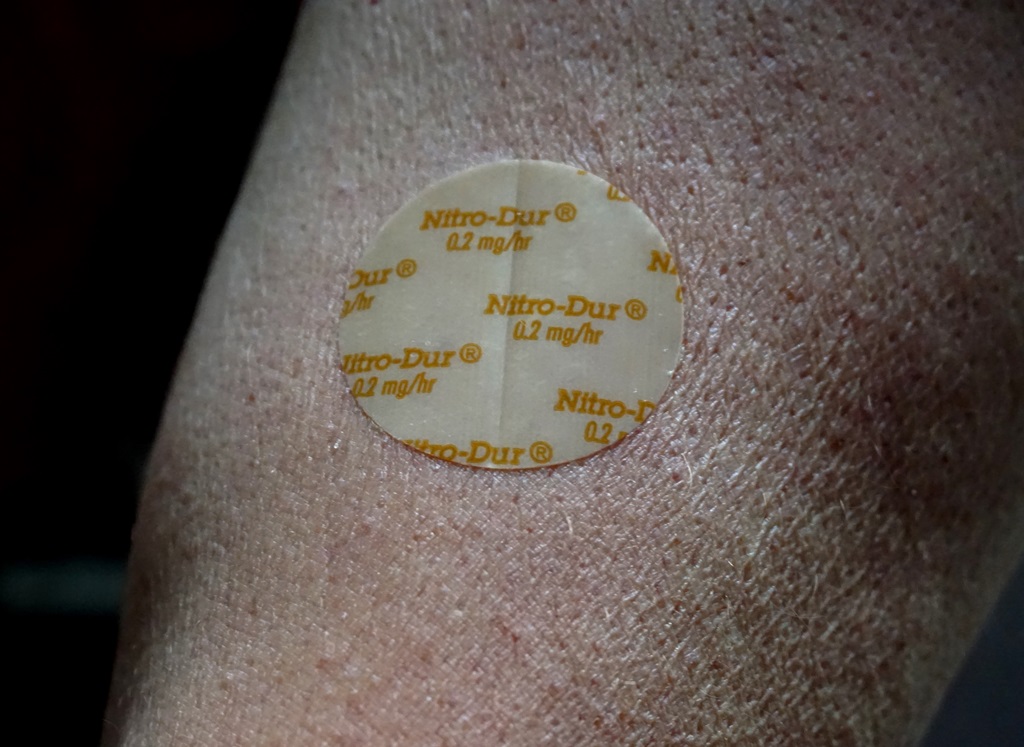 my29lives.blogspot.compatch nitro dur instructions arm lives
What to know about nitroglycerin. Patch transdermal wikidoc provided medicine library national. Nitroglycerin transdermal trinitrate glyceryl 2mg ndc