o que é adenomiose e endometriose +março amarelo – o mês de conscientização da endometriose
Endometriosis is a condition that affects millions of women worldwide. It is characterized by the abnormal growth of endometrial tissue outside the uterus, causing pain, infertility, and other complications. As a professional in the healthcare industry, it is essential to understand the symptoms and treatments for endometriosis. In this post, we will explore the basics of endometriosis, how to identify the symptoms, and what treatments are available. Firstly, it is essential to understand the basic anatomy of the female reproductive system. The uterus is a hollow, pear-shaped organ, responsible for nourishing and developing a fertilized egg. The endometrium is the lining of the uterus, which thickens during the menstrual cycle to prepare for pregnancy. In endometriosis, the endometrial tissue grows outside the uterus, such as on the ovaries, fallopian tubes, and other organs in the abdominal cavity. This tissue continues to thicken and break down with each menstrual cycle, leading to inflammation, scarring, and pain. One of the most common symptoms of endometriosis is pelvic pain, which can vary in severity from mild discomfort to debilitating pain. Other symptoms may include painful periods, painful sex, infertility, fatigue, and gastrointestinal issues. It is important to note that not all women with endometriosis experience symptoms. Diagnosis typically involves a thorough medical history, physical exam, and imaging tests, such as an ultrasound or MRI. In some cases, a laparoscopic surgery may be necessary to confirm the diagnosis. Now, let’s discuss the available treatments for endometriosis. While there is no cure for this condition, there are a variety of options to manage symptoms and improve quality of life. Pain relief medications, such as NSAIDs, can be effective in reducing pelvic pain and cramping. Hormonal contraceptives, such as birth control pills or IUDs, can help regulate the menstrual cycle and reduce the growth of endometrial tissue. In more severe cases, surgery may be necessary to remove endometrial growths or the uterus. In conclusion, endometriosis is a complex condition that can have serious consequences for women’s health. As healthcare professionals, it is our responsibility to educate ourselves and our patients about this condition, promote awareness, and offer effective treatments that improve quality of life.
If you are searching about +Março Amarelo – O mês de conscientização da Endometriose - Conexão Notícia you’ve came to the right place. We have 5 Pictures about +Março Amarelo – O mês de conscientização da Endometriose - Conexão Notícia like Adenomiose e endometriose: quais as diferenças? » Dr João Dias, Tipos de Adenomiose | Dra. Remédios Pacheco - Reprodução Humana | (85 and also Adenomyosis. Read more:
+Março Amarelo – O Mês De Conscientização Da Endometriose - Conexão Notícia
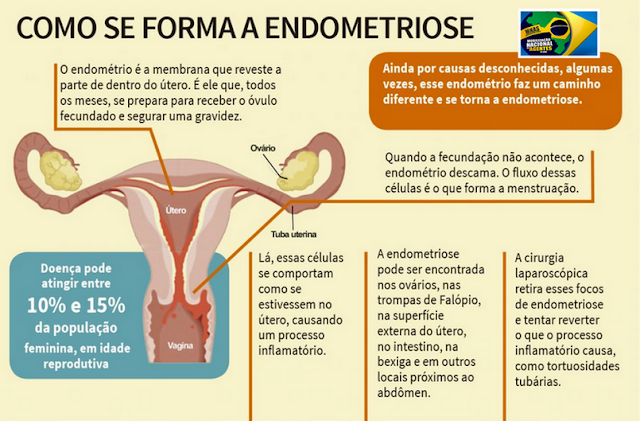 www.cnoticia.com.brAdenomyosis
 lookfordiagnosis.comadenomyosis uterus enlarged uterine mandarin nedir endometrial
Adenomiose E Endometriose: Quais As Diferenças? » Dr João Dias
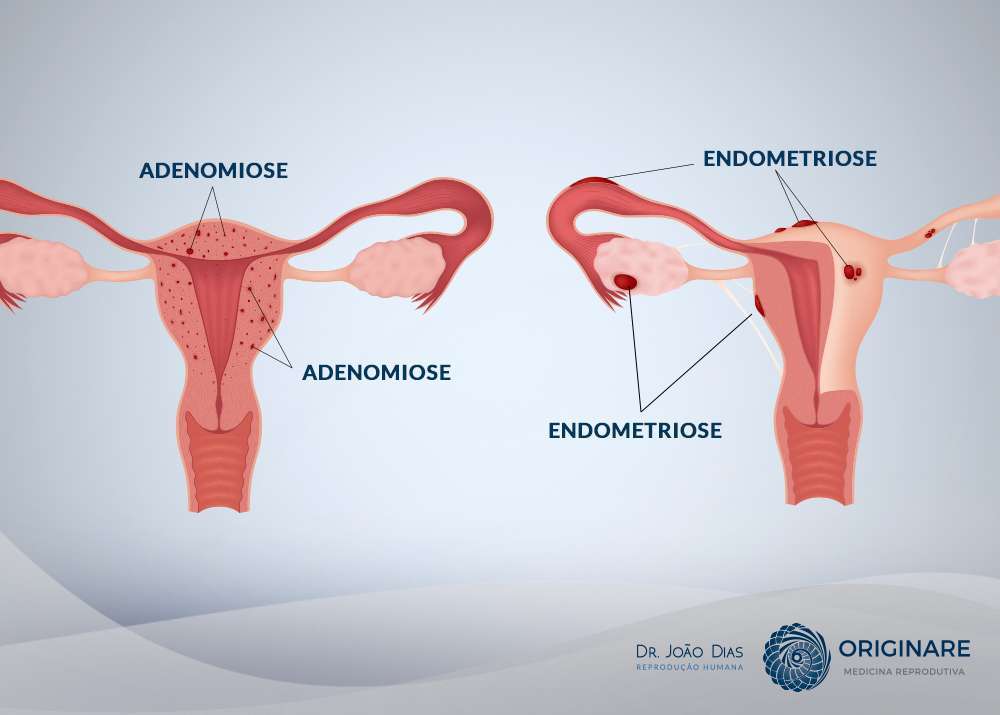 drjoaodias.com.brTipos De Adenomiose | Dra. Remédios Pacheco - Reprodução Humana | (85
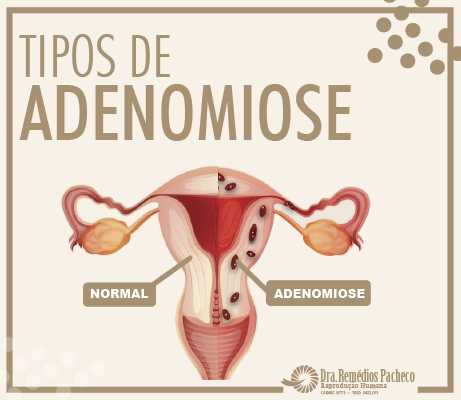 www.draremediospacheco.com.brComo Saber Se Tenho Endometriose? - Quem Vê - Moda, Saúde Estética & Beleza
 quemve.com.brComo saber se tenho endometriose?. Tipos de adenomiose. +março amarelo – o mês de conscientização da endometriose